DETAILED CAR COMPARISON

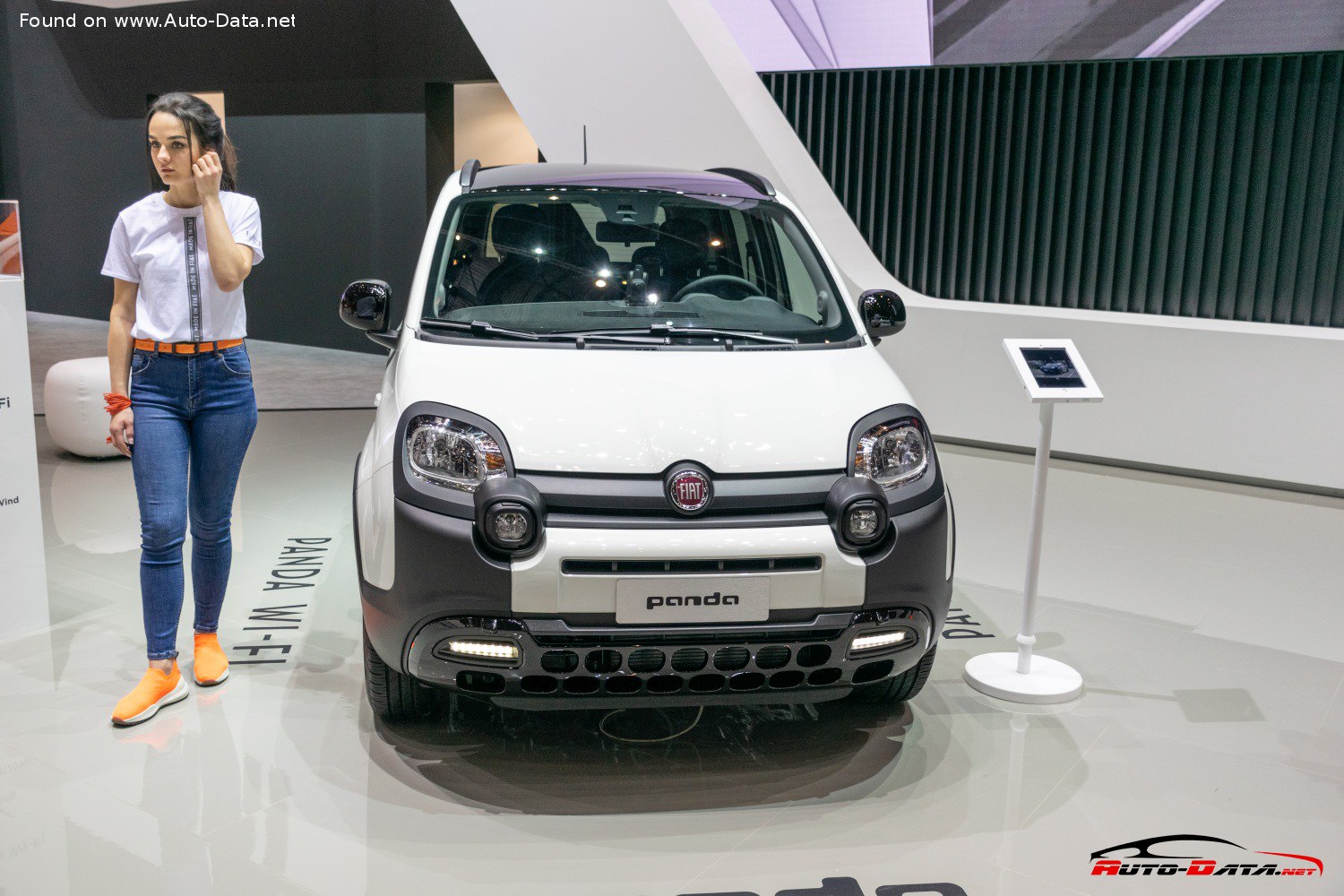
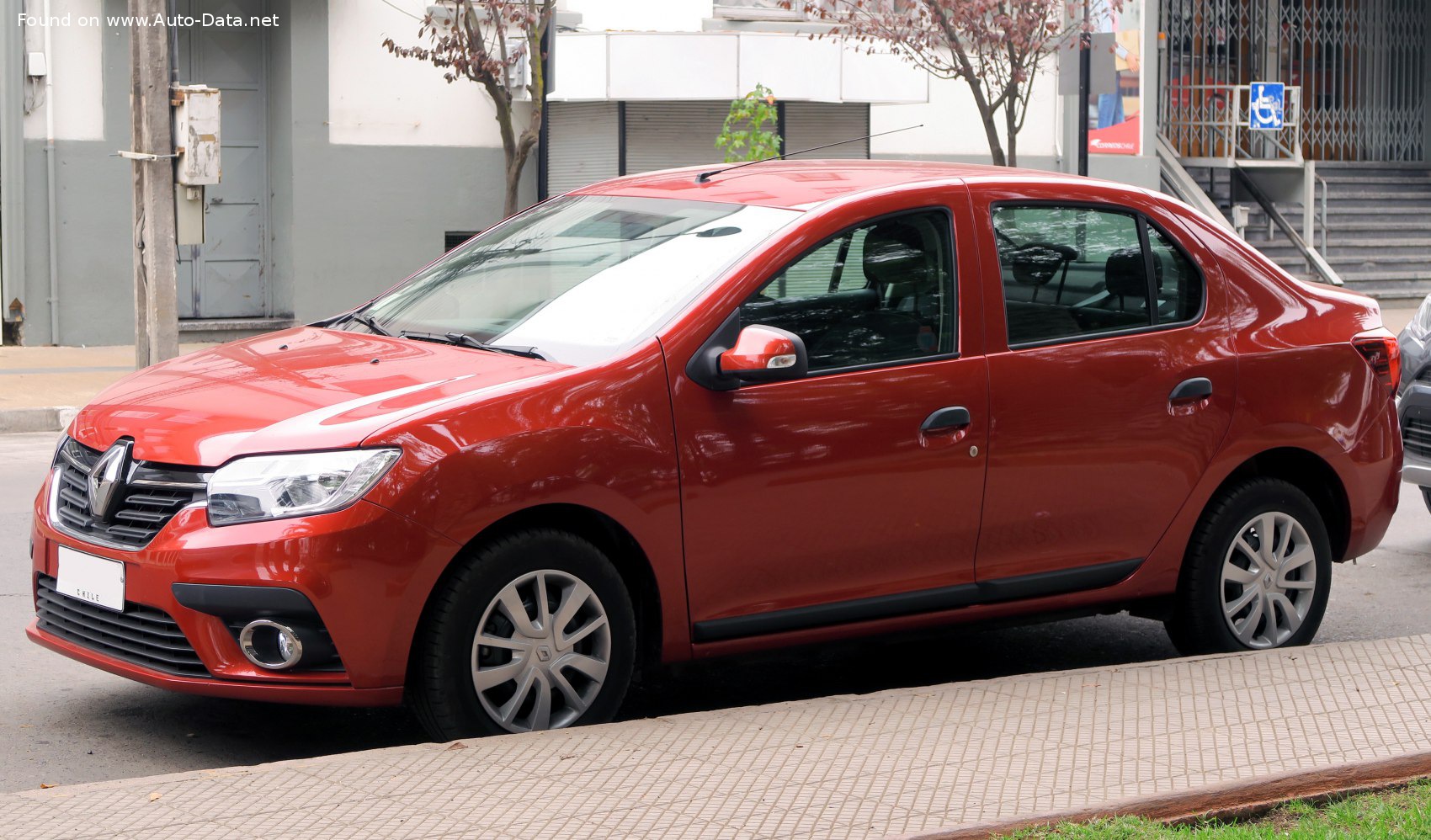
2017 Tata Nano vs 2017 Hyundai i10 Comparison

Compare technical specifications, scores and everyday-use differences side by side.

VS
WINNER

Tata Nano

Leads the overall E-Kıyasla score by 0.25 points.

57.5–57.25
SPECIFICATION GROUPS

Every difference between the two cars

Basic Specifications

TataMakeHyundai
NanoModeli10
2017Model year2017
HatchbackBody typeHatchback
4Seats5
5Doors5

Performance

—0–100 km/h14,7 s
105 km/hTop speed156 km/h
624 ccEngine displacement998 cc
38 HPPower66 HP
51 NmTorque95 Nm
2Cylinders3

Fuel & Consumption

PetrolFuel typePetrol
24 ltFuel tank40 lt
—Urban consumption6,0 lt
—Extra-urban consumption4,0 lt
—Average consumption5,0 lt

Transmission & Chassis

Rear-wheel driveDrivetrainFront-wheel drive
4Gears5
—TransmissionManual
135/70 R12; 155/65 R12Tyre size14
—ABSYes

Dimensions

3164 mmLength3665 mm
1750 mmWidth1660 mm
1652 mmHeight1500 mm
695-735 KgWeight1008 kg
—Luggage capacity252 lt
2230 mmWheelbase—

Additional Features

Tata Nano

No additional feature records are available.

Hyundai i10Driver AirbagPassenger AirbagABSEBDESPHill Start AssistTrip ComputerPower Rear WindowsPower Front WindowsManual Air ConditioningIlluminated Vanity MirrorUSB Port

E-Kıyasla Editor’s Note

2017 Tata Nano and 2017 Hyundai i10 approach the same decision from different angles. We compare the exact versions so changes in engine, transmission, dimensions and equipment are not hidden behind the model names.

Overall, Tata Nano leads the E-Kıyasla score by 0.25 points. The score provides a consistent summary, while the best choice can still change with priorities such as urban efficiency, luggage space, performance or equipment.

SIMILAR COMPARISONS

Similar comparisons

Explore related comparisons featuring cars from this matchup.

Comments are loading…