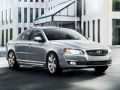
DETAILED CAR COMPARISON

2016 BMW X3 vs 2018 Volkswagen Passat Comparison

Compare technical specifications, scores and everyday-use differences side by side.

VS
WINNER

BMW X3

Leads the overall E-Kıyasla score by 5 points.

75.5–70.5
SPECIFICATION GROUPS

Every difference between the two cars

Basic Specifications

BMWMakeVolkswagen
X3ModelPassat
2016Model year2018
SUVBody typeSedan
5Seats5
5Doors4

Performance

9,5 s0–100 km/h8,6 s
195 km/hTop speed213 km/h
1995 ccEngine displacement1498 cc
150 HPPower150 HP
360 NmTorque250 Nm
4Cylinders4

Fuel & Consumption

DieselFuel typePetrol
67 ltFuel tank59 lt
5,6 ltUrban consumption6,5 lt
4,6 ltExtra-urban consumption4,4 lt
5,0 ltAverage consumption5,1 lt

Transmission & Chassis

Rear-wheel driveDrivetrainFront-wheel drive
6Gears6
225/60 R17 99VTyre size215/60 R16 H; 215/55 R17 H; 235/45 R18 V
YesABSYes

Dimensions

4657 mmLength4767 mm
1881 mmWidth1832 mm
1661 mmHeight1476 mm
1660 KgWeight1405 Kg
2810 mmWheelbase2786 mm

E-Kıyasla Editor’s Note

2016 BMW X3 and 2018 Volkswagen Passat approach the same decision from different angles. We compare the exact versions so changes in engine, transmission, dimensions and equipment are not hidden behind the model names.

Overall, BMW X3 leads the E-Kıyasla score by 5 points. The score provides a consistent summary, while the best choice can still change with priorities such as urban efficiency, luggage space, performance or equipment.

SIMILAR COMPARISONS

Similar comparisons

Explore related comparisons featuring cars from this matchup.

Comments are loading…