2017 • Hyundai
i30
Hyundai i30 Style 2017 1.4 100 HPOverall Score61.25/100

Compare technical specifications, scores and everyday-use differences side by side.
2017 • Hyundai
2017 • Honda
Leads the overall E-Kıyasla score by 0.25 points.
No additional feature records are available.
2017 Hyundai i30 and 2017 Honda FIT approach the same decision from different angles. We compare the exact versions so changes in engine, transmission, dimensions and equipment are not hidden behind the model names.
Overall, Honda FIT leads the E-Kıyasla score by 0.25 points. The score provides a consistent summary, while the best choice can still change with priorities such as urban efficiency, luggage space, performance or equipment.
Explore related comparisons featuring cars from this matchup.
 VSImage unavailableHyundai Verna vs Hyundai i302017 and 2017 model yearsImage unavailableVSImage unavailableHonda FIT vs Hyundai i302017 and 2017 model years
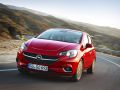 VSImage unavailableOpel Corsa vs Hyundai i302017 and 2017 model yearsImage unavailableVSImage unavailablePerodua Alza vs Hyundai i302017 and 2017 model yearsImage unavailableVSImage unavailablePerodua Myvi vs Hyundai i302017 and 2017 model years
Comments are loading…